

Aurora Area Retired Teachers Association members and guests learned about an Underground Railroad conductor, spy and nurse during a presentation Tuesday, Feb. 3, in Batavia.
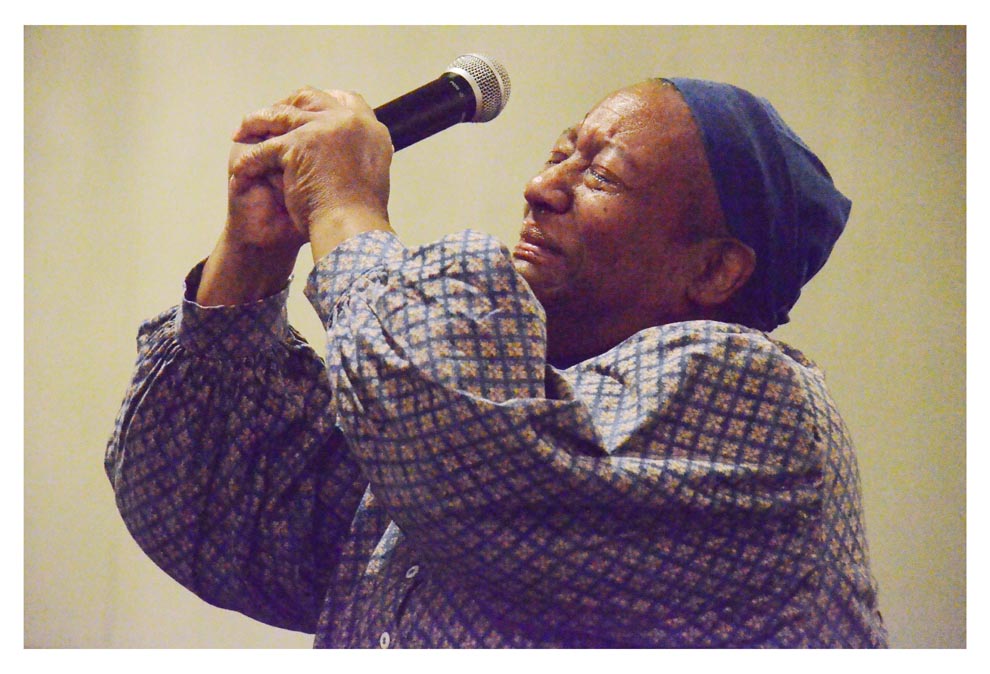
Celebrating Black History Month, Civil War reenactor Pamela Welcome of Aurora spotlighted Harriet Tubman’s life through stories and songs.
An independent professional roleplayer and storyteller, known for portraying American history figures, Welcome returned for a second annual presentation at the former educators’ bimonthly meeting at Lincoln Inn. A year ago she portrayed Sojourner Truth, an American abolitionist and activist for African-American civil rights, women’s rights, and alcohol temperance.
Welcome, who also appears in fashion reenacting, crafted and donned authentic historic clothing for her latest program.
She opened by singing “We Shall Overcome,” one of a half dozen anti-slavery songs which she performed a cappella.
After Tubman (1822-1913) escaped slavery, Welcome said, she made 19 missions to rescue approximately 300 enslaved people, including her family and friends. She used a network of antislavery activists and safe houses known collectively as the Underground Railroad. During the American Civil War, she served as an armed scout and spy for the Union Army. In her later years, Tubman was an activist in the movement for women’s suffrage.
According to Welcome, Tubman was beaten and whipped by enslavers as a child. Early in life, she suffered a traumatic head wound when an irate overseer threw a heavy metal weight, intending to hit another slave, but hit her instead. After her injury, Tubman began experiencing strange visions and vivid dreams, which she ascribed to premonitions from God. These experiences, combined with her Methodist upbringing, led her to become devoutly religious.
In 1849, Tubman escaped to Philadelphia, only to return to Maryland to rescue her family soon after. Slowly, one group at a time, she brought relatives with her out of the state, and eventually guided dozens of other enslaved people to freedom. After the Fugitive Slave Act of 1850 was passed, she helped guide escapees farther north into Canada and helped newly freed people find work.
For her guidance of a raid at Combahee Ferry, which liberated more than 700 enslaved people, she is widely credited as the first woman to lead an armed military operation in the United States. After the war, she retired to the family home on property she had purchased in 1859 in Auburn, New York.
Founded in 1958, Aurora-based AARTA is a nonprofit social-service group including approximately 350 retirees from Fox Valley school districts. Membership is open to retired teachers, administrators, support staff, and spouses.
—Al Benson