
Tag: University of Illinois Extension

Tips and tools for a more pollinator-friendly yard

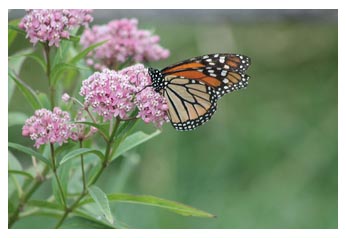
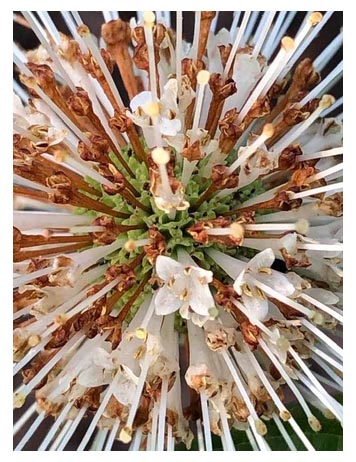
By Shekina Mullen As they flutter through plant and flower blossoms, spreading pollen with every landing, butterflies, bees, and other pollinators quietly sustain healthy ecosystems, successful home vegetable gardens, and agricultural production. Pollinators move pollen from one flower to the next, fertilizing and producing fruits, nuts, and seeds. Some plants
Making, storing sauerkraut augmented with helpful tips

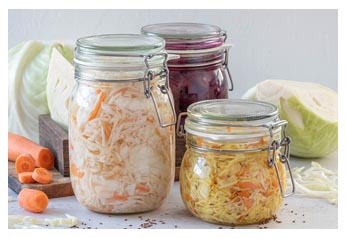
By Susan Glassman and Lisa Peterson Probiotic-rich foods can enhance digestion and improve overall gut health. All are produced through fermentation, a food preservation method that has been used for thousands of years to naturally reduce the risk of food spoilage and foodborne illness. Common foods include sourdough bread, kombucha,

Increasing heat produces Summer-storm intensity

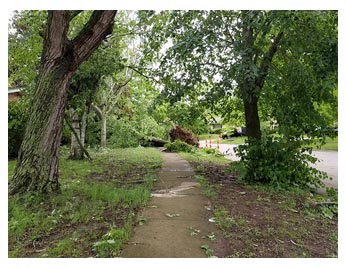
By Emily Swihart Spring showers, Summer thunderstorms, Winter dusting of snow, are familiar weather events for Midwesterners, but as climate changes so do weather events. Extreme weather is increasing in Illinois. Over the past 120 years, significant changes have occurred that are causing more extreme weather events, according to a

Crabgrass best controlled with preemergent herbicide

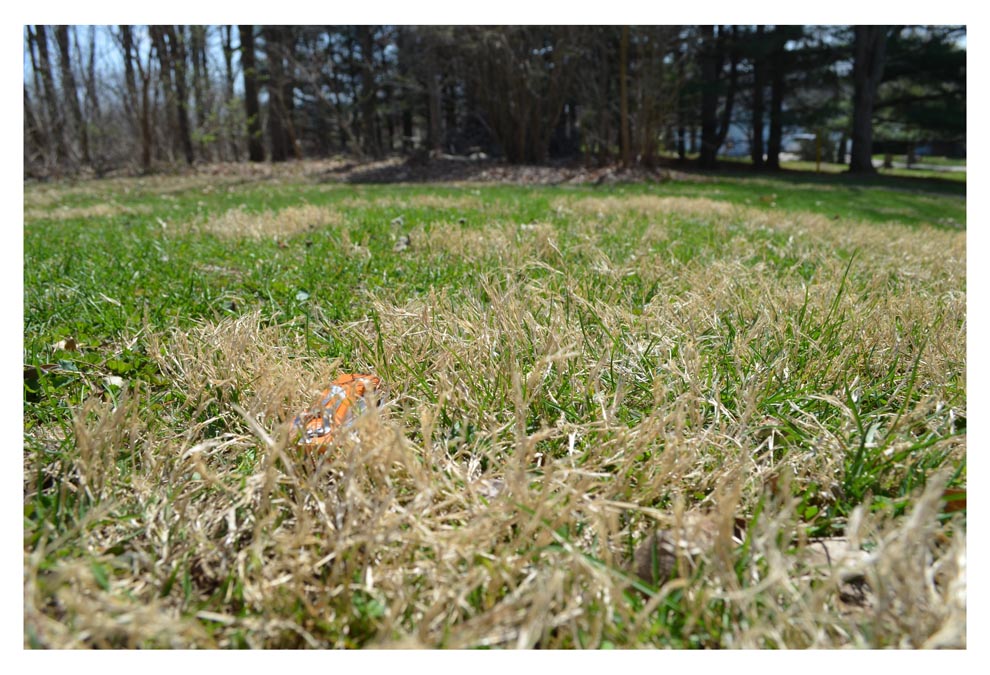
By Chris Enroth When confronted with lawn weeds, typically we think of dandelion, creeping Charlie, and violet. These plants and many others are classified as broadleaved weeds, or dicots, and are easily distinguished from grasses which are monocots. Scientists have engineered herbicides that target broadleaved plants, while the chemical does

Take time to choose plants which fit conditions

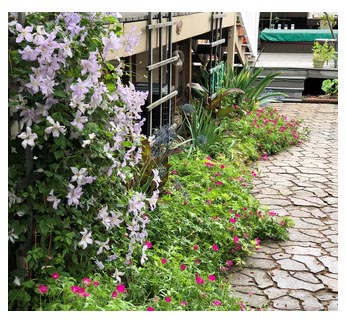
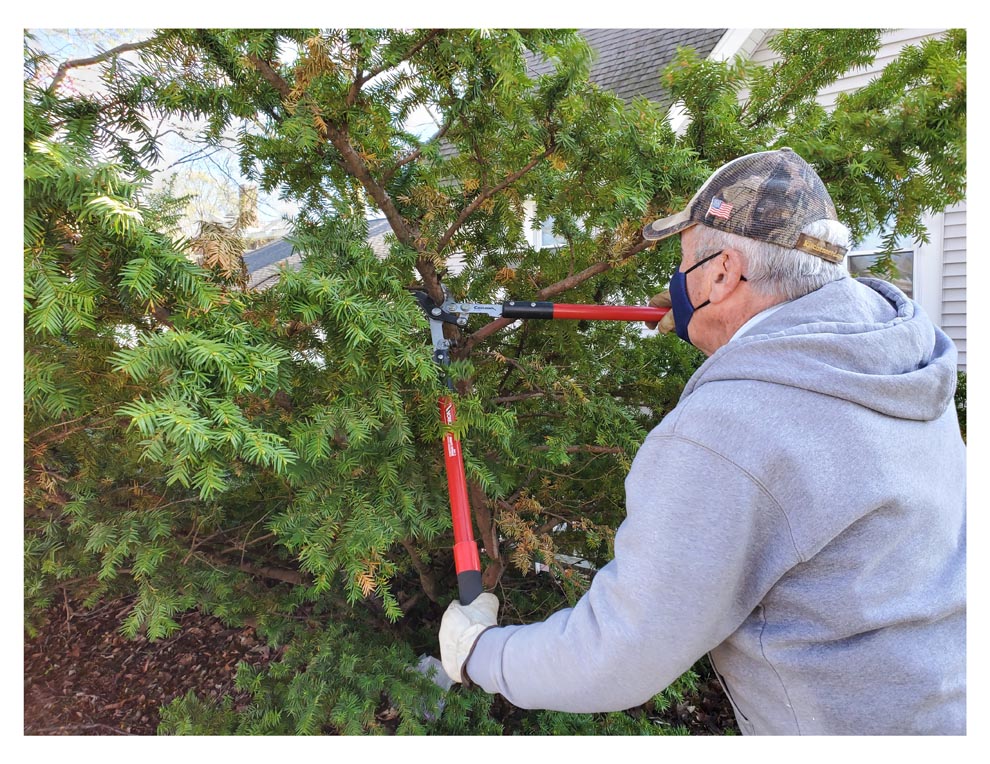
By Nancy Kreith Taking time to select plants for difficult growing conditions helps long-term success Difficult growing conditions leave gardeners stumped when selecting plants. These planting areas may include alkaline soils, dry shade, over a septic tank, a large local deer population, and more. Always consider the existing site conditions

Cover crops add organic matter for healthier soil

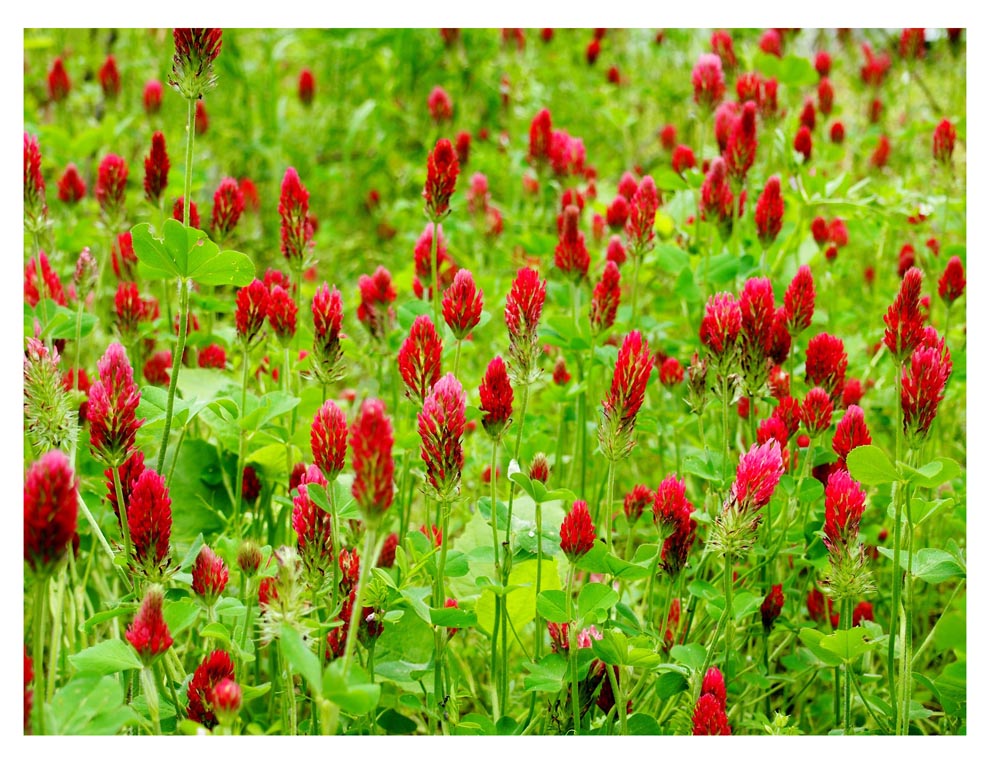
By Nicole Flowers-Kimmerle Healthy soil is essential for healthy plants. Using cover crops in the home garden is one way to promote soil health. Cover crops are non-harvested crops that add organic matter to the soil, transfer nitrogen to plants, and break up heavy clay or compacted soil. They are

Christmas cactus holiday gift that keeps on giving

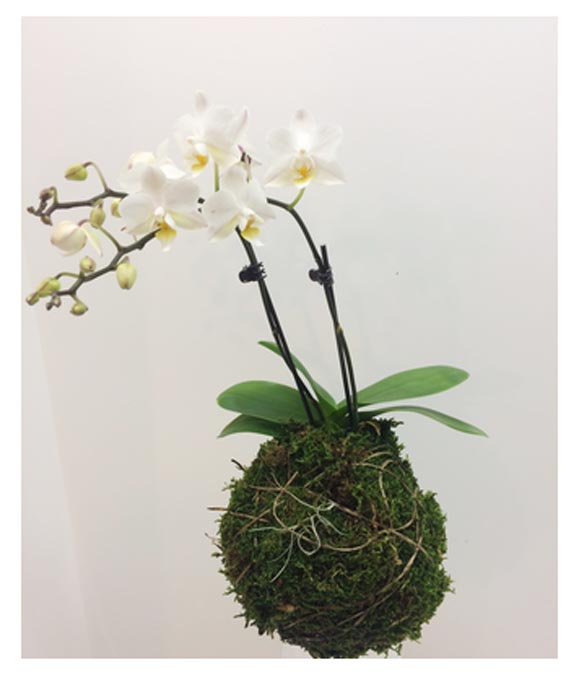
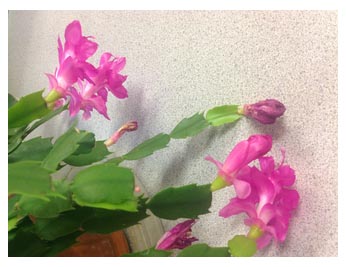
By Kelly Allsup, Horticulture Educator, Illinois Extension With their vibrant, floral displays and low-maintenance needs, holiday cacti are a great holiday gift. Thanksgiving, Christmas, and Easter cactus are each different species. They bloom reliably each year without much up-keep. “Every December, one plant in my office comes to life despite

Tiny sweat bees bring importance to healthy ecosystem

Although the bumblebee is likely the most well-known pollinator, pollinators come in a variety of shapes, species, and sizes. “Many entomologists believe the tiny sweat bee nectaring on your flowering weed is just as important to a healthy ecosystem as the more well-known bumble bee and honey bee,” said Kelly

Asters provide bright colors to Fall flower gardens

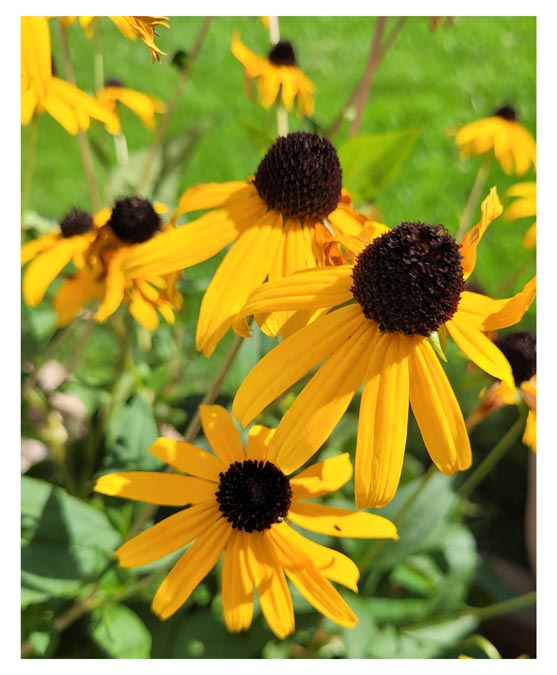
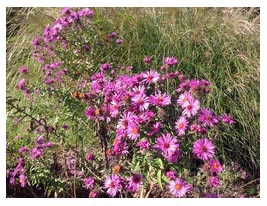
Fall gardens may need some added pops of color this time of year to maintain beauty and diversity until Winter arrives. Asters are a late-blooming, pollinator-friendly flower that looks great in the garden and in a Fall floral display. “Think beyond the obvious, fall-blooming favorite mums this year,” said Brittnay